
Foot hygiene is something to pay close attention to since small problems can quickly turn into bigger concerns if things are allowed to slip. Developing a steady routine for taking care of your feet at home can help to avoid trouble like infections, irritation, and rough skin. With some simple daily habits and weekly care, you will likely notice healthier skin, fewer odors, and feet that just feel better overall.
Why Good Foot Hygiene Matters
Healthy feet are often overlooked, but they really influence overall well-being. When feet are clean and cared for, walking becomes easier with less pain by steering clear of problems such as athlete’s foot, calluses, cracked heels, and even toenail fungus. Regular foot hygiene cuts down on odors and helps to keep toes healthy and looking good – which can boost confidence when wearing sandals or going barefoot at home.
Foot hygiene isn’t just about feeling good—there’s also a safety aspect. Without proper care, small cuts or cracks can become infected, especially if you are on your feet a lot or wear closed, snug shoes. Clean, healthy feet help to prevent a minor issue from turning into a bigger medical problem later on. For people with diabetes or circulation problems, this is especially important because foot problems can quickly worsen if the feet are ignored.
Daily Foot Care Routine: Simple Steps That Make a Difference
A daily routine doesn’t have to be complicated. What really makes the difference is being consistent with three simple steps: washing, drying, and moisturizing the feet each day.
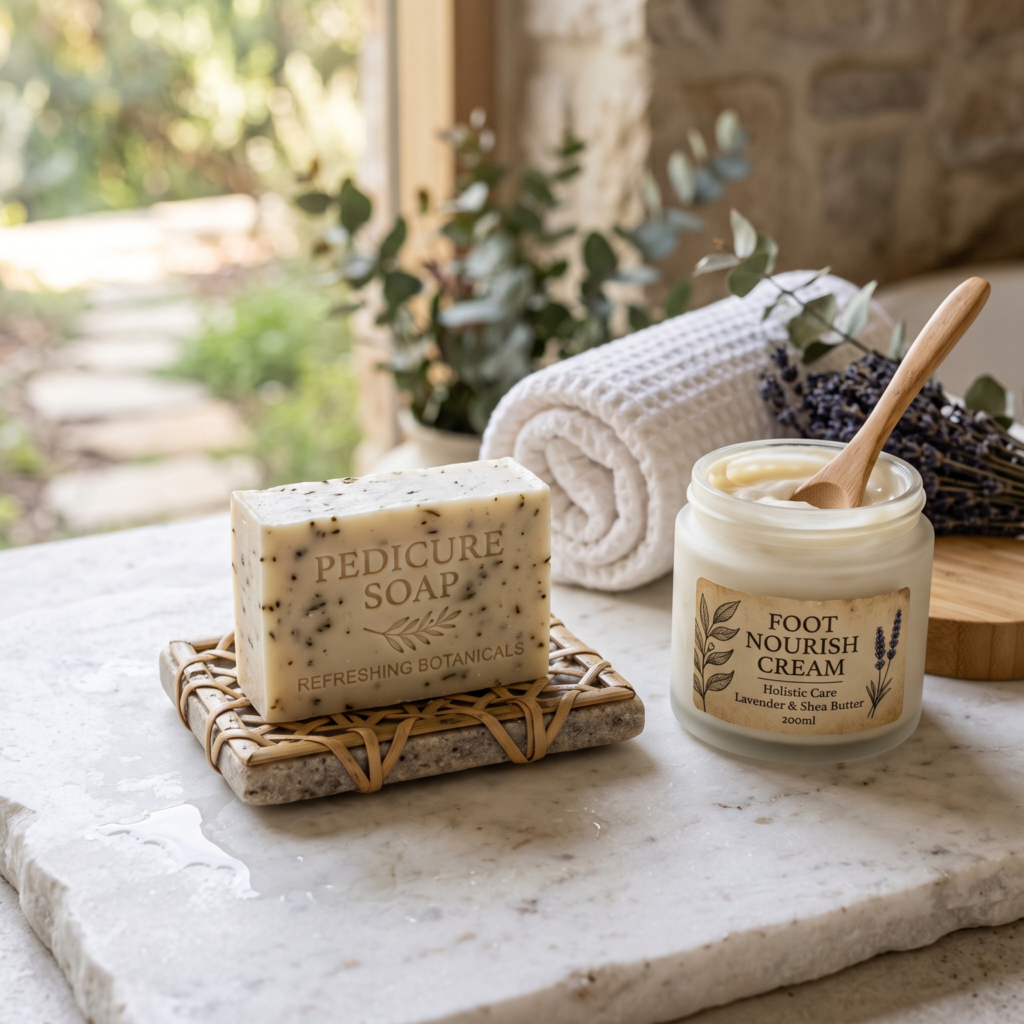
- Washing: Use warm water and a gentle body bar soap or body wash which can be incorporated into your daily bath or shower. When washing, it is important to pay close attention to the spaces between the toes where sweat and dirt collect. This is really important to keep bacteria and fungus in check.
- Drying Thoroughly: After washing, use a clean dry towel to dry your feet completely, especially between the toes. Damp skin between the toes is a common cause of fungal infections like athlete’s foot.
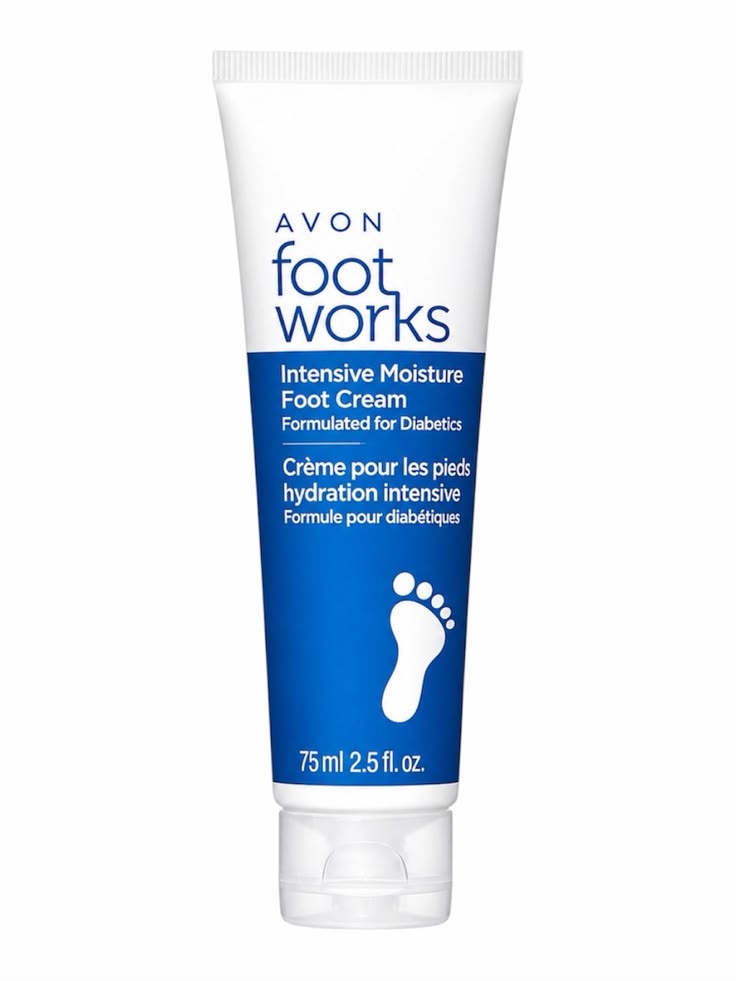
- Moisturizing: Once your feet are completely dry, apply a good quality foot cream or foot moisturizer. Focus mostly on the heels and the balls of your feet where dry skin and cracks are most common. Using a good quality product such as Foot Works Intensive Moisture Foot Cream that contains urea, glycerin, and shea butter in its ingredient list works well, since these ingredients contribute the most to keeping the skin soft and hydrated.
Sticking to this daily sequence keeps the feet comfortable and can help to lower the risk of itching, flaking, or other skin problems.
Weekly Maintenance: Extra Care For Happy Feet
Taking a little more time on the weekend, or on other days when you have more time, helps to stay ahead of rough skin and calluses.
Soaking: Relaxing and Beneficial
Once a week, fill a basin with warm (not hot) water and soak your feet for about 10 to 15 minutes. Adding a bit of Epsom salt can feel good, and helps to soothe tired muscles.
Exfoliating: Pumice Stone vs. Foot File
Exfoliating helps to get rid of dead skin and calluses. Either a pumice stone or a foot file can be used, depending on what your feet need the most at the time.
An exfoliating scrub (made from sugar or salt) can also be used sometimes after soaking while the feet are still wet to give an extra boost to the process and leave your feet smooth and soft.
- Pumice Stone: This natural volcanic rock is slightly abrasive, so it is `important’ to use it right after soaking your feet for 5 to 10 minutes in warm water. The foot soak is necessary to help soften the skin. The pumice stone should also be thoroughly dampened and wet before each use. Using a dry pumice stone causes too much friction which can cause scratching or tearing of the skin. Gently rub the wet stone over the wet, softened skin using light pressure and circular motions. It removes dead skin in a way that feels mild and safe. Be careful not to overdo it; just a few passes usually do the job.
- Foot File: A metal or fine grit file works best on tougher, dry spots. A foot soak is `not’ recommended when using a foot file because they are designed to scrape off dry, brittle layers of skin. If the skin is damp and softened, the metal blades could cut in too deeply causing scrapes and tears on the skin. This tool can be used on dry thicker calluses, moving `lightly’ in one direction to avoid scraping too much skin. Metal files tend to be more aggressive, so use them only if the skin is really tough and the pumice stone isn’t enough.
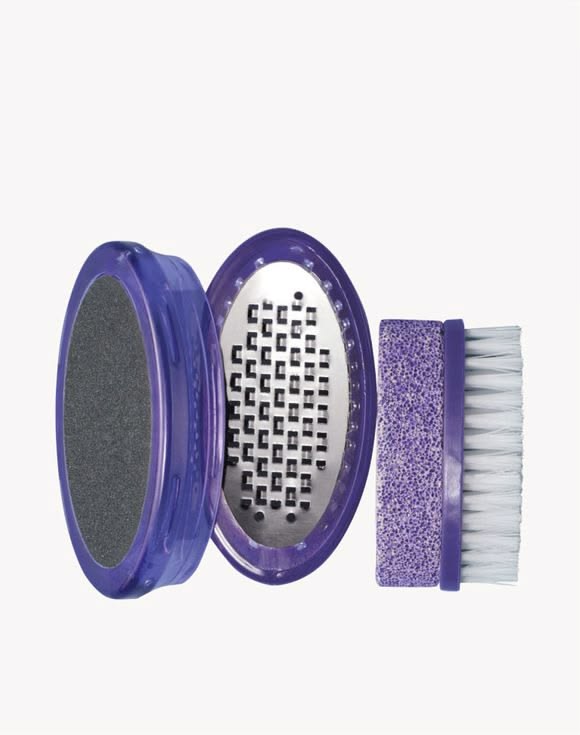
This Foot Works Pedicure Tool has a metal file to help remove calluses and a fine-grade file to smooth away flakey skin. It also has a pumice for buffing and a brush for cleaning nails.
Both pumice stone and foot file help with smoothness and comfort, but it’s easy to over exfoliate. Removing too much skin can lead to soreness or even small cuts, which is why it is important to always check your feet afterward.
Exfoliating should only be done once a week to give your skin time to recover.
Cleaning Foot Care Tools: Pumice Stone and Foot File
Clean tools are a must to avoid spreading germs. After each use, rinse your pumice stone or foot file thoroughly under hot water, scrubbing off any visible debris. Once a week, soak these tools in a mixture of warm water and antibacterial soap (or white vinegar diluted with water) for five to ten minutes, then let them air dry completely. This regular cleaning keeps bacteria from building up and helps your tools last longer. Replacing tools every so often is important, especially if they show signs of wear and tear or change color.
Toenail Trimming: Why Tool Choice Matters
Never use a standard nail clipper for trimming toe nails. Use a toe nail clipper instead, which is stronger and larger in size. Standard clippers are smaller and are curved and shaped for fingernails. Using a standard clipper on thicker toe nails can cause jagged edges or split nails. A toe nail clipper has a straighter blade for cutting across thick toenails which is designed to prevent ingrown toe nails which can be painful and lead to infection.
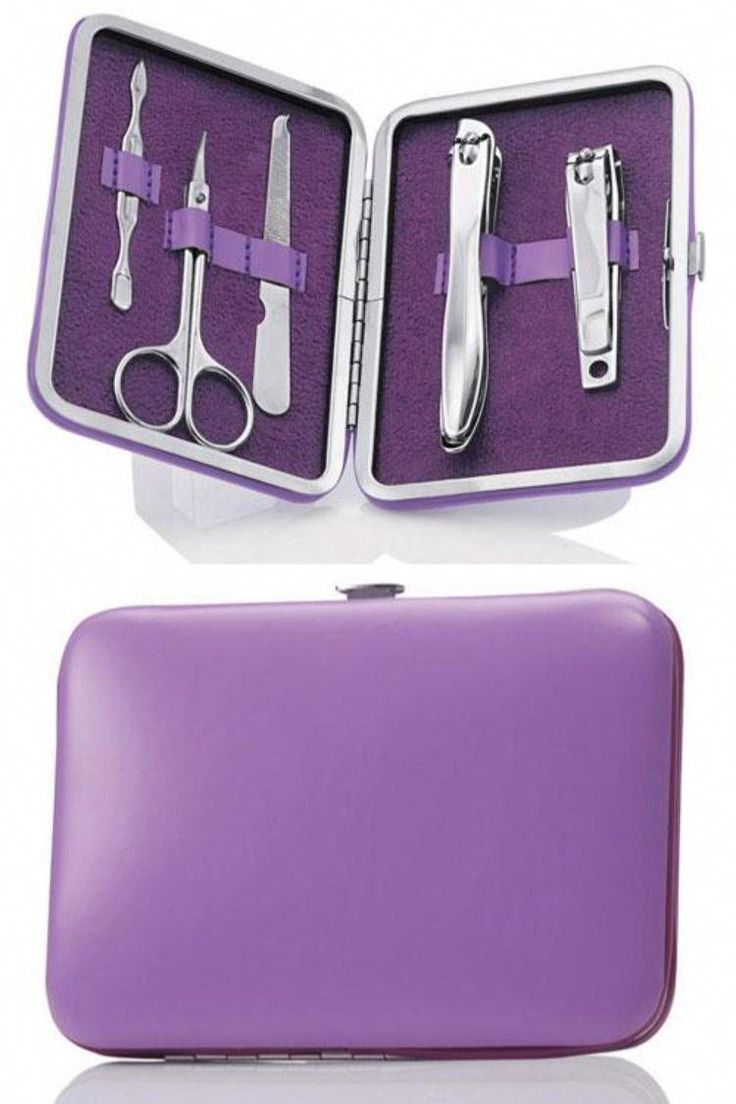
This Foot Works Pedicure Kit contains a toe nail clipper; along with a standard nail clipper for trimming finger nails, a small nail file, scissors, and a cuticle pusher.
Cleaning Nail Clippers
After trimming, always wash your clippers with hot water and soap. Once a week, or after anyone else uses them, disinfect the clippers by soaking them in rubbing alcohol for a few minutes, then letting them dry on a clean towel. Clean clippers lower the risk of passing bacteria or fungus between toes, or between people in the same house.
Things To Watch Out For When Taking Care of Your Feet
- Skin Irritation: If you notice redness, blisters, or sore spots, back off on exfoliating.
- Cracks Between Toes: Skip moisturizing between the toes if you see any cracks or signs of athlete’s foot, and also dry extra carefully after washing.
- Unusual Nail Changes: If your nails look thick, yellow, or crumbly, avoid sharing clippers and think about seeing a doctor, because these can be signs of toe nail fungus.
- Persistent Pain or Swelling: Persistent problems should always be checked by a professional, especially if there are diabetes or circulation issues.
Extra Tips for Keeping Feet Healthy Year Round
Always wear clean socks every day, and pick socks made from cotton, bamboo, or wool to help the feet breathe. Choosing socks that draw moisture away keeps the feet drier for longer periods.
Avoid wearing the same shoes for two days in a row, and always give each pair a chance to air out. If your shoes get damp, dry them out before wearing them again.
For open shower areas (like at the gym), always wear sandals or flipflops on your feet to avoid picking up unwanted germs.
If you get a small cut or scrape, wash it right away with soap and water and cover it if needed to prevent infection. These small steps make a big difference year round.
Common Questions About Foot Care
What’s the best soap for washing feet?
Stick to gentle soaps since strong fragrances can possibly irritate the skin. Antibacterial soaps aren’t usually needed unless recommended by my doctor.
How do I keep my feet from smelling?
Wash your feet every day, dry your feet completely, and use breathable socks. If odor is a big problem, see your family doctor, or a foot doctor.
How often should I replace my foot care tools?
If tools start to rust, look discolored, or wear down, get new ones. A pumice stone can last a long time if it is cleaned and dried after each use.
Can foot hygiene affect overall health?
Regular care lowers infection risk, keeps mobility high, and, for people with certain health issues like diabetes, it may prevent complications such as serious foot infections. That’s why you should never ignore your feet, even if they feel fine.
Sticking With Good Foot Hygiene
Paying attention to your feet every day really does help to keep them smooth, comfortable, and problem free. Sticking to a regular routine and using the right products makes a big difference. Always make sure to adapt your routine if your skin changes, or if new issues show up. Healthy feet are worth the small amount of care that they need, and it’s one of those things that should never be skipped. Even if life gets busy, always find a few spare minutes to look after your feet because it pays off in the long run.